Dental hygienists are essential partners in preventive dentistry, playing a critical role in maintaining oral health and helping patients avoid serious dental issues. Often the first point of contact during a dental visit, hygienists are responsible for performing professional cleanings, assessing oral conditions, and identifying early signs of potential problems. Their work goes beyond routine care—they serve as educators, guiding patients on proper oral hygiene practices and helping them understand the importance of consistent maintenance. By focusing on prevention, dental hygienists contribute significantly to reducing the need for more invasive and costly treatments.
Preventive Care Through Professional Expertise
One of the primary responsibilities of dental hygienists is to remove plaque and tartar that cannot be eliminated through regular brushing and flossing alone. This process helps prevent cavities, gum disease, and other oral health issues. In addition to cleanings, hygienists conduct thorough examinations of the teeth and gums, checking for signs of inflammation, decay, or abnormalities. Their ability to detect these issues early allows for timely intervention, which is key to maintaining long-term oral health. This proactive approach ensures that patients receive the care they need before problems escalate.
Educating Patients for Better Daily Habits
Education is a cornerstone of the dental hygienist’s role. They provide personalized guidance on brushing techniques, flossing methods, and the use of oral care products. By tailoring advice to each patient’s specific needs, hygienists help individuals develop effective routines that support their overall oral health. This education empowers patients to take control of their dental care, making preventive practices a natural part of their daily lives. The impact of this guidance extends beyond the dental office, as consistent habits lead to healthier teeth and gums over time.
Supporting Comprehensive Dental Care
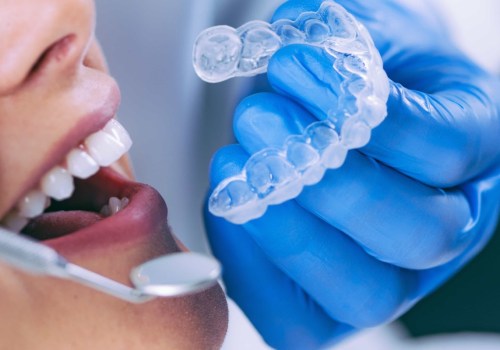
Dental hygienists work closely with dentists to provide comprehensive care that addresses both preventive and restorative needs. Their observations and assessments inform treatment plans, ensuring that patients receive well-rounded care. In practices that offer advanced services, such as those provided by a cosmetic dentist, hygienists play a supportive role by preparing patients for procedures and maintaining oral health before and after treatment. This collaboration enhances the overall effectiveness of dental care, ensuring that both aesthetic and functional goals are achieved.
Building Trust and Comfort for Patients
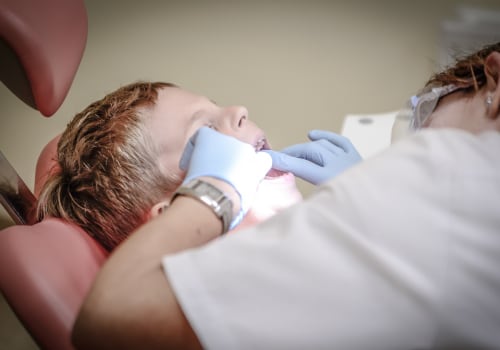
Another important aspect of the dental hygienist’s role is building trust and comfort with patients. Many individuals experience anxiety when visiting the dentist, and hygienists help create a welcoming and reassuring environment. Their gentle approach and clear communication can make a significant difference in how patients perceive their dental experience. By fostering positive relationships, hygienists encourage patients to attend regular appointments, which is essential for maintaining preventive care.
Promoting Long-Term Oral Health and Wellness
Ultimately, dental hygienists are key contributors to long-term oral health and overall wellness. Their focus on prevention, education, and patient support helps individuals maintain healthy smiles and avoid serious dental issues. By working collaboratively with dentists and empowering patients with knowledge, hygienists ensure that preventive dentistry remains effective and accessible. Their role is indispensable in creating a healthcare environment where maintaining oral health is both achievable and sustainable, leading to better outcomes for patients of all ages.