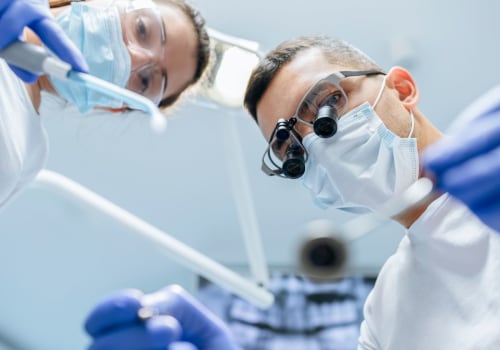
Comprehensive oral healthcare is rarely the result of a single professional working independently. Instead, it is often achieved through collaboration between multiple members of a dental team, particularly dental hygienists and dentists. While each professional has distinct responsibilities and areas of expertise, their combined efforts help create a more thorough and effective approach to patient care. By working together, hygienists and dentists can identify potential issues early, provide preventive services, develop treatment plans, and support long-term oral health goals. This collaborative relationship plays a vital role in helping patients maintain healthy teeth and gums while reducing the likelihood of more serious dental problems in the future.
The Preventive Role of Dental Hygienists
Dental hygienists are often the healthcare professionals who spend the most time with patients during routine dental visits. Their responsibilities typically include professional cleanings, periodontal assessments, patient education, and the identification of early signs of oral health concerns. During appointments, hygienists evaluate the condition of the gums, monitor plaque and tartar accumulation, and gather important clinical information that contributes to the overall assessment of oral health. Because they frequently see patients on a regular preventive schedule, dental hygienists are often in an excellent position to notice subtle changes that may indicate developing problems. Their observations provide valuable information that helps dentists make informed clinical decisions.
Dentists Provide Diagnosis and Treatment Planning
While dental hygienists focus heavily on prevention and maintenance, dentists are responsible for diagnosing conditions and determining appropriate treatment strategies. Dentists review clinical findings, interpret diagnostic images, evaluate overall oral health, and develop treatment plans tailored to each patient's needs. This process often relies on information collected by the hygienist during routine examinations and preventive appointments. By combining the hygienist's detailed observations with their own clinical expertise, dentists can develop a more complete understanding of a patient's oral health status. This collaborative approach ensures that treatment recommendations are based on comprehensive and accurate information.
Communication Enhances Patient Outcomes
Effective communication between hygienists and dentists is essential for delivering high-quality care. When both professionals share observations and discuss patient concerns, they can identify potential issues more efficiently and coordinate appropriate interventions. For example, a hygienist may observe signs of gum disease progression, enamel wear, or changes in oral tissues that warrant further evaluation by the dentist. Through ongoing communication, the dental team can respond proactively and address concerns before they become more complex. This teamwork also helps ensure consistency in patient education, allowing individuals to receive clear guidance regarding oral hygiene practices, preventive care, and treatment options.
Supporting Advanced Dental Treatments
The collaboration between hygienists and dentists becomes especially important when patients undergo more advanced dental procedures. Comprehensive treatment plans often require ongoing maintenance and monitoring to support long-term success. For example, patients receiving restorative solutions such as dental implants in Bondi Junction benefit from coordinated care that includes both professional maintenance and clinical evaluations. Dental hygienists help monitor implant health, educate patients on proper cleaning techniques, and identify early signs of potential complications, while dentists oversee treatment outcomes and address any restorative or structural concerns. This shared responsibility helps support favorable long-term results and patient satisfaction.
Educating and Empowering Patients
Patient education is another area where collaboration plays a crucial role. Dental hygienists often provide detailed instruction on brushing techniques, flossing habits, dietary considerations, and preventive care strategies. Dentists reinforce these recommendations while explaining treatment options and addressing broader oral health concerns. Together, they help patients better understand the connection between daily habits and long-term oral health. This consistent messaging encourages patients to take a more active role in maintaining their smiles between appointments.
A Partnership Focused on Long-Term Oral Health
The partnership between dental hygienists and dentists is a cornerstone of comprehensive oral healthcare. By combining preventive expertise, diagnostic capabilities, patient education, and ongoing communication, these professionals create a coordinated approach that benefits patients at every stage of care. Their collaboration helps support early detection, effective treatment planning, and long-term oral wellness. Ultimately, the teamwork between hygienists and dentists allows patients to receive more personalized, proactive, and comprehensive care that contributes to healthier smiles and improved overall well-being.