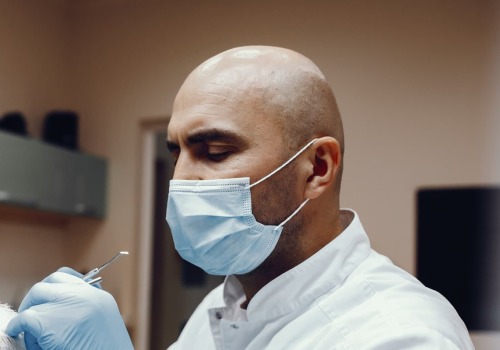
Dental hygienists play a vital role in maintaining patients’ oral health and supporting comprehensive dental care. Often serving as the first point of contact during routine visits, hygienists focus on preventative services that help patients avoid more serious dental problems. Professional cleanings remove plaque and tartar buildup that regular brushing and flossing may miss. By carefully examining the gums and measuring periodontal pockets, hygienists can detect early signs of gum disease before it progresses. They also provide patient education on proper brushing techniques, flossing habits, and lifestyle choices that influence oral health. This preventative approach creates a strong foundation that supports long-term dental wellness.
Collaboration During Examinations and Treatment Planning
Comprehensive care requires seamless collaboration between dental hygienists and dentists. During appointments, hygienists gather essential clinical information, including updated medical histories, digital X-rays, and detailed observations about the condition of teeth and gums. This information helps the dentist make accurate diagnoses and develop personalized treatment plans. After the hygienist completes the cleaning and preliminary assessment, the dentist performs a thorough examination to identify cavities, structural concerns, or other issues that may require intervention. Working alongside a trusted dentist, hygienists ensure that patients receive coordinated and efficient care tailored to their specific needs.
Supporting Specialized Procedures and Patient Comfort
In addition to routine cleanings, dental hygienists assist with various procedures that contribute to comprehensive treatment. They may apply fluoride treatments or dental sealants to protect teeth from decay. In cases of periodontal disease, hygienists perform scaling and root planing to remove bacteria from below the gumline. Throughout these procedures, hygienists focus on patient comfort by explaining each step, addressing concerns, and monitoring sensitivity levels. Their attentive approach helps reduce anxiety and fosters a positive dental experience. By creating a supportive environment, hygienists encourage patients to maintain regular visits and follow recommended treatment plans.
Education and Preventative Advocacy
A key aspect of a hygienist’s role involves empowering patients through education. By discussing diet, oral hygiene habits, and risk factors such as smoking or medical conditions, hygienists help individuals understand how daily choices impact dental health. They often demonstrate proper brushing angles, recommend specific oral care products, and provide guidance tailored to each patient’s situation. This ongoing education reinforces the dentist’s treatment recommendations and strengthens the patient’s commitment to preventative care. When patients feel informed and supported, they are more likely to take proactive steps that reduce the need for complex restorative procedures in the future.
Enhancing Efficiency and Comprehensive Outcomes
The partnership between dental hygienists and dentists enhances both efficiency and quality of care. By sharing responsibilities, they streamline appointments while ensuring no aspect of oral health is overlooked. Hygienists focus on prevention, monitoring, and patient education, while dentists address diagnosis and advanced treatments. This collaborative approach allows for thorough evaluations, early detection of issues, and coordinated follow-up care. Patients benefit from a comprehensive system where each professional contributes specialized expertise toward a shared goal of optimal oral health.
Ultimately, dental hygienists and dentists work together to provide holistic and patient-centered care. Their collaboration ensures that preventative measures, education, diagnosis, and treatment align seamlessly. By combining their skills and knowledge, they create a comprehensive approach that supports long-term oral health and fosters lasting patient trust.